

By Brian Ochieng Akoko and Helga Mbodze – Reporting for REUC Digital Magazine.
- A Criminal’s Paradise
- The Typologies of Transnational Organized Crime on Lake Victoria
- Environmental and Natural Resource Crimes
- Human Trafficking and Smuggling
- Illicit Trade and Smuggling of Goods and Substances
- The Problem of Fragmented Governance
- Recent Developments and the Path Forward
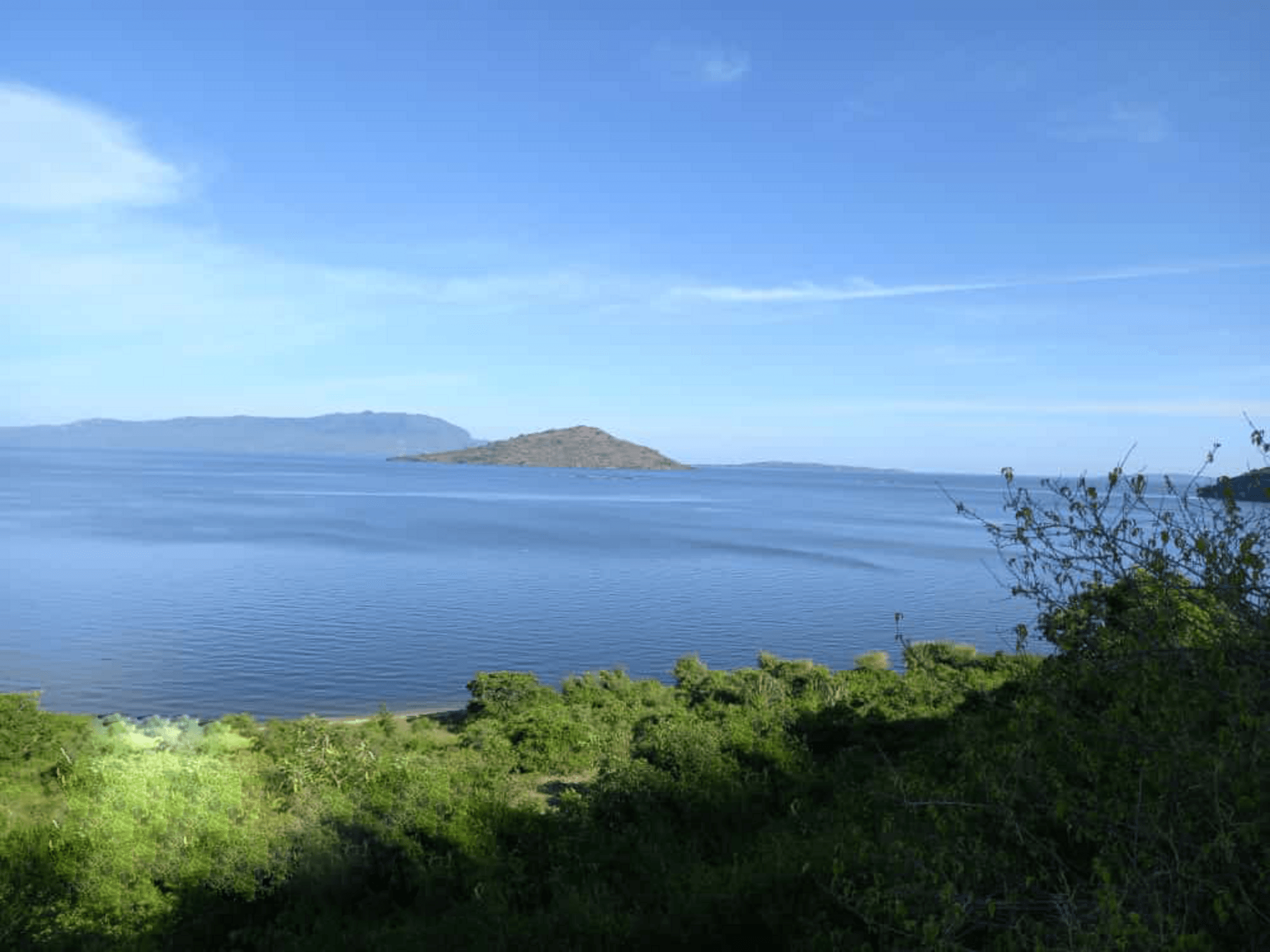
Nakuru City | Nairobi City, Kenya – Lake Victoria is a huge lake in Africa. It’s the largest on the continent, covering 68,880 square kilometers. The lake supports about 30-40 million people in Uganda, Tanzania, and Kenya.
It’s a lifeline for these nations, providing a significant portion of their national fisheries.However, a hidden war is happening on its waters. Transnational organized crime (TOC) is threatening the lake’s very existence.
A new report, „Regional Assessment of Transnational Organized Crime and Integrated Border Governance on Lake Victoria,“ reveals the problem. It was written by Brian Ochieng Akoko and Helga Mbodze.

The report shows a web of illegal activities. It also highlights the weaknesses in border governance. The findings are troubling. An estimated 40%-60% of all fishing on the lake is illegal.
This shows how badly the lake is being exploited. The problem is made worse by uncoordinated and under-resourced border agencies in the three countries.
A Criminal’s Paradise
What is happening?
Lake Victoria has become a breeding ground for various crimes. The report highlights several illegal markets.
These include illegal fishing, wildlife trafficking, and illicit timber and charcoal trade. There is also human trafficking, human smuggling, and the smuggling of goods and drugs.
Who are the actors?
Criminals are not working alone. Fishermen with knowledge of the lake are often hired to transport people and illegal goods. Disturbingly, some members of Beach Management Units (BMUs) are involved in illicit trade and bribery.
The most alarming part is the involvement of corrupt law enforcement officers and public officials. Their corruption enables these criminal networks.
Organized criminal groups, including terrorist organizations like the Allied Democratic Forces (ADF), also use the lake for recruitment and trade.
Where are these crimes concentrated?
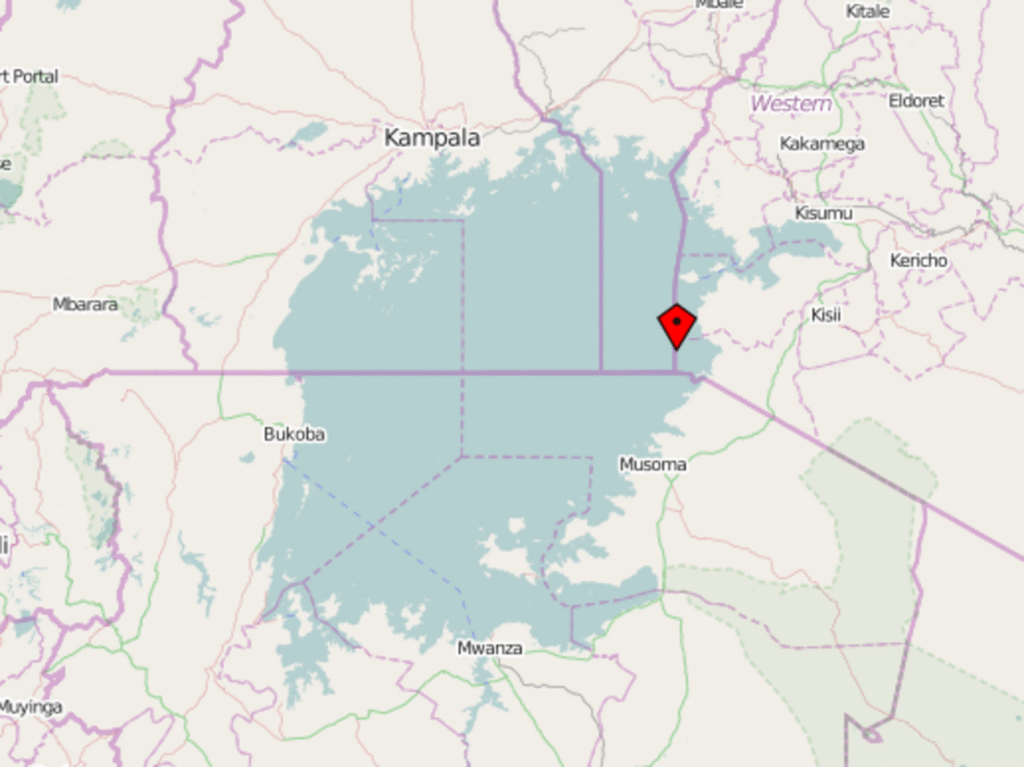
The whole lake is vulnerable, but some areas are hot spots. Fish breeding grounds are targeted for illegal fishing. Places like Ngamba Island in Uganda and Ruma National Park in Kenya are linked to wildlife trafficking.
Islands such as Migingo, Remba, and Koome are hubs for smuggling. Child trafficking is rampant on islands like Buvuma in Uganda and Remba in Kenya.
When did this become a problem?
TOC has likely existed for a long time. However, the report shows it is evolving. This is due to global demand for illegal goods and more sophisticated criminal networks.
The deployment of Uganda’s Fisheries Protection Unit (FPU) in 2017 shows how serious the illegal fishing crisis has become.
Why is this happening?
The lake’s vast size and porous borders make it easy for criminals to operate. The lack of clear maritime boundaries makes the lake feel like an ungoverned space.
Economic differences between the countries and the promise of quick profits also contribute. Additionally, national laws are inconsistent, and frontline agencies are underfunded.
How are these crimes carried out?
Criminals exploit differences in laws and taxes. Fishing boats are often used for smuggling. Human traffickers use deceptive tactics to prey on people’s desperation. Corruption provides a critical shield for these operations.
A lack of modern equipment, like scanners and radars, means law enforcement can’t effectively detect contraband or track illicit movements.
The Typologies of Transnational Organized Crime on Lake Victoria
The report meticulously details the landscape of TOC, revealing its multi-faceted nature:
Environmental and Natural Resource Crimes
Illegal Fishing: This is the largest illicit market. The demand for Nile Perch swim bladders in China and Hong Kong is the main driver. A kilogram can sell for up to $7,000 in Hong Kong. This lucrative trade threatens the Nile Perch population. Enforcement has led to human rights abuses and extortion, pushing fishermen into collusion with criminals.
Wildlife Trafficking: Pangolins, chimpanzees, and rhino horns are in demand. Illegal wildlife trade generates about $75 million in criminal profits each year.
Illicit Timber and Charcoal Trade: Endangered trees are trafficked through the lake. A Ugandan boat capsized in July 2023 while smuggling charcoal, killing 11 people. This trade causes significant deforestation.
Human Trafficking and Smuggling
Child Trafficking: Hotspots are on islands in all three countries. Children are recruited as child soldiers by groups like the ADF. They are also trafficked for hazardous work in fishing and gold mines.
Sexual Exploitation: Young women are trafficked to islands for the sex industry. Sex acts are sold for as little as $1.20.
Human Smuggling: Criminals use unofficial entry points to help people cross borders without a passport.
Illicit Trade and Smuggling of Goods and Substances
Contraband Goods: Boats are used to smuggle sugar, cooking oil, and cigarettes. This is driven by tax differences between the countries. In 2021, the Kenya Revenue Authority (KRA) seized Ksh. 15 million worth of illicit goods.
Marijuana Trade: The Lake Victoria basin is a known area for growing marijuana. It is often transported by boat to islands, then by motorbike to towns.
The Problem of Fragmented Governance
The report shows that governance frameworks in Uganda, Tanzania, and Kenya are fragmented. This allows criminals to exploit them.
Uganda’s Approach: Uganda has separate laws for different agencies. But it lacks a single legal framework for multi-agency cooperation. There is no dedicated structure for border governance on the lake. Cross-border cooperation with Tanzania and Kenya is poor.
Tanzania’s Approach: Tanzania has the largest share of the lake. Its border governance is part of its national security structure. The National Security Council (NSC) Act of 2010 provides a coordinated approach. The Anti-Trafficking Committee works well but needs more resources. A specific trilateral initiative for Lake Victoria is missing.
Kenya’s Approach: Kenya has the smallest share of the lake. The Security Laws (Amendment) Act of 2014 introduced a formal coordinated border governance regime. The Border Control and Operations Coordination Committee (BCOCC) is a national structure. However, it lacks resources. Many of its boats have been reassigned to the Kenya Coast Guard Services (KCGS).
A Shared Vulnerability
Akoko and Mbodze identify several shared problems that hinder effective governance:
- Unratified Laws: All three countries have not ratified many international laws related to crime and border governance. This creates legal inconsistencies.
- Lack of Resources: Frontline agencies are underfunded. They lack staff, modern equipment like radars and scanners, and fuel for patrols. This leaves large areas of the lake unmonitored.
- Outdated Infrastructure: Ports have poor facilities and lack modern equipment.
- Poor Communication: Despite regional bodies, communication between agencies and countries is poor.
- Different procedures and mandates make joint action difficult.
- Pervasive Corruption: Corruption is a major issue. Unethical officials help criminal networks operate. This erodes trust in the government.
- Invisible Borders: The lack of physical borders on the lake makes it easy for criminals to cross.
A Roadmap for a Secure Future
The report offers a clear plan to fight crime on the lake. It calls for a multi-faceted, coordinated, and integrated approach.
Strengthening International and Regional Cooperation Frameworks
- Ratify Laws: Countries must ratify international laws to create a legal foundation for cooperation.
- Use Existing Structures: Regional bodies like the EAC and LVBC need more support and resources.
- Create a Regional Framework: A dedicated regional structure is needed for law enforcement and joint risk mapping.
Harmonizing National Policies, Legislation, and Enforcement Capacities
- Align Legislation: Laws and regulations affecting the lake must be harmonized to close loopholes.
- Sign Agreements: Countries need high-level agreements for specific joint measures.
- Standardize Procedures: Common procedures for joint patrols will improve coordination.
Building Multi-Agency Coordination and Operational Effectiveness at All Levels
- Establish Mechanisms: Countries should create legally mandated multi-agency groups for Lake Victoria.
- Allocate Resources: Frontline agencies need more funding, personnel, and equipment.
- Modernize Ports: Ports should be upgraded with modern infrastructure and security equipment.
- Strengthen Oversight: BMUs need better oversight to stop their involvement in crime.
Addressing Root Causes and Community Engagement
- Launch Campaigns: Public awareness campaigns are needed to educate communities about the impact of crime.
- Provide Livelihoods: Governments should support alternative income sources for communities.
- Foster Partnerships: Collaboration between governments, NGOs, and communities is crucial.
Recent Developments and the Path Forward
The challenges in this report align with global concerns about transnational crime. The United Nations Office on Drugs and Crime (UNODC) highlights the need for integrated approaches.
The UNODC’s 2023 Global Report on Trafficking in Persons also notes how poverty fuels these activities. Recent news reports from Kenya, Uganda, and Tanzania confirm the urgency of these issues.
The ongoing dispute over Migingo Island is a perfect example of the governance challenges. It involves issues of fishing rights, borders, and smuggling.
The future of Lake Victoria depends on the collective action of Kenya, Tanzania, and Uganda. As the report concludes, an integrated and collaborative approach is needed.
This will protect the lake’s resources for everyone in the basin.This is not just a regional problem; it’s a global one. Decisive action is needed now, before this cradle of life is lost to crime.

Daj svoj stav!
Argumentuj, budi korektan — ili pročitaj tuđe stavove.