

Stampedes and Security Shootings Expose Systemic Flaws During Emotional Political Gatherings
By Brian Ochieng Akoko, Reporter | Nakuru City – Kenya.

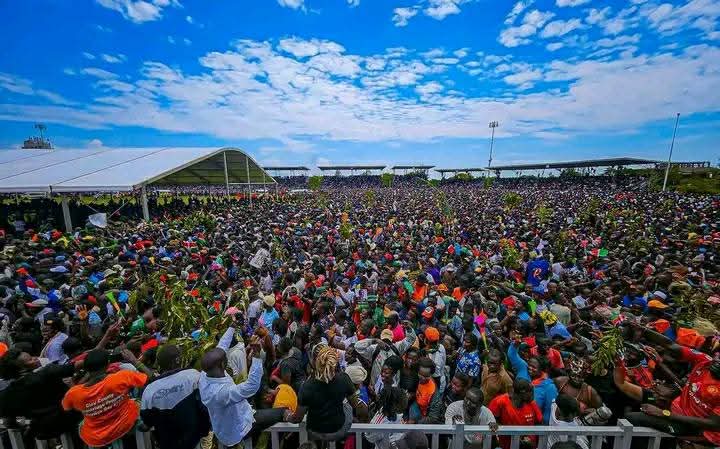
The national mourning for Raila Odinga was meant to be solemn. It was a reflection on a life of mass mobilization. But the week before his burial was tragic. It was marked by chaos, stampedes, and violence.
It resulted in confirmed fatalities and injuries.This devastating series of events exposed a systemic failure. It was a failure in public safety and crowd control. This is critical for high-emotion political gatherings.
A Week of Unrest and Loss
Public grief across various counties became profound danger. Reports confirmed at least eight fatalities. These occurred across four public viewing events.
The causes were simple and tragic: Stampedes from uncontrolled surges of mourners and shootings by security forces reacting to perimeter breaches. The incidents were spread across key areas of public memorial.
- Stadium Shootings: The most alarming reports claim three people were shot dead by security forces. This happened when mourners breached a stadium gate. The use of lethal force in crowd control is highly questionable. It raises serious human rights concerns.A full public inquiry is necessary.
- Nairobi Stampede: A viewing event in Nairobi led to a stampede. Seventeen mourners required medical treatment. This points to poor crowd flow management. It shows inadequate safety buffers at entry and exit points.
- Multiple Fatalities: The total loss of life was eight people. These deaths link directly to failures in security and management at the viewing sites.
Systemic Failures in Safety Management
The recurring theme is simple. There was a failure to manage the crowds’ emotional intensity and sheer scale. The Role of Emotion: Raila Odinga elicited a visceral response. Security planning should have accounted for this high emotional volatility.
Security should have anticipated that standard barriers would fail. The plan needed to prioritize de-escalation. Non-lethal crowd dispersal was the safer choice.
- Failure of Infrastructure: The stampedes point to severe bottlenecks in the chosen venues.State-run events must use designs that guarantee safe movement. This means wide paths and multiple, staffed checkpoints.
- Training and Protocol: The reported shootings are most alarming. Security forces must adhere to strict protocols. They must emphasize the preservation of life. Lethal force should be the absolute last resort.
Three people died while trying to breach a perimeter. This suggests a catastrophic failure. It reveals a failure in de-escalation training and proportional response. A detailed review of the Rules of Engagement is urgently needed.
The Contrast of State-Managed Solemnity
This chaos contrasts sharply with the state funeral. The final ceremony was held in Kang’o Ka Jaramogi, Bondo. It was accorded full military honours. It included a 17-gun salute. This final event was meticulously managed.
The contradiction is profound. The State maintained absolute order for dignitaries. Yet, it failed fundamentally to manage the public grief that preceded it. This suggests a clear prioritization.
VIP safety and formal protocol were prioritized over the general public’s safety. The high diplomatic turnout was a success. It demonstrated external stability. But this success cannot hide the internal safety failures. These failures cost citizens their lives.
Political volatility is a constant risk in Kenyan politics. The week’s tragic events are a critical warning. Any future mass political gathering must learn from these fatalities. Organizers and state agencies must fundamentally reform their approach.


Daj svoj stav!
Još nema komentara. Napiši prvi.