
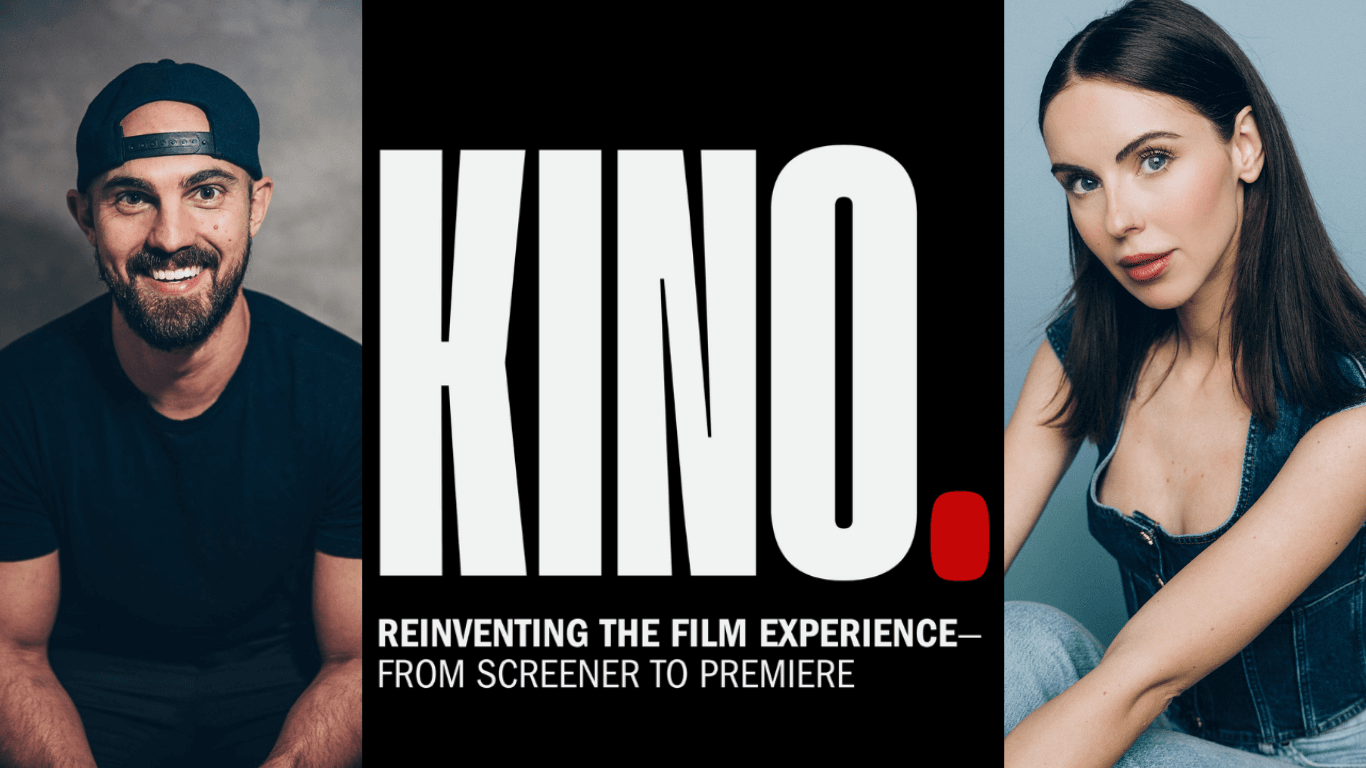
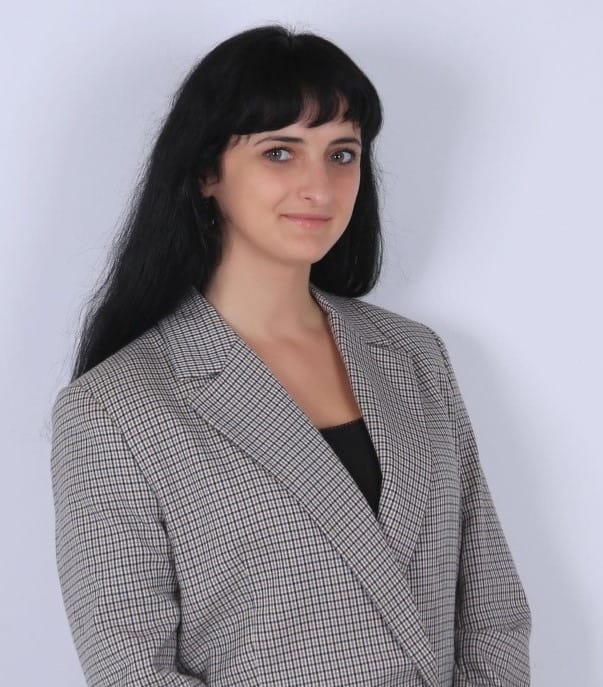
In an industry often driven by legacy systems and gatekeepers, Brit MacRae and Daril Fannin are carving out a bold new path. As co-founders of KINO Studio, a Sequoia-backed film company built on transparency, equity, and creative empowerment, they’re not just making films — they’re reshaping the way stories are told and shared.
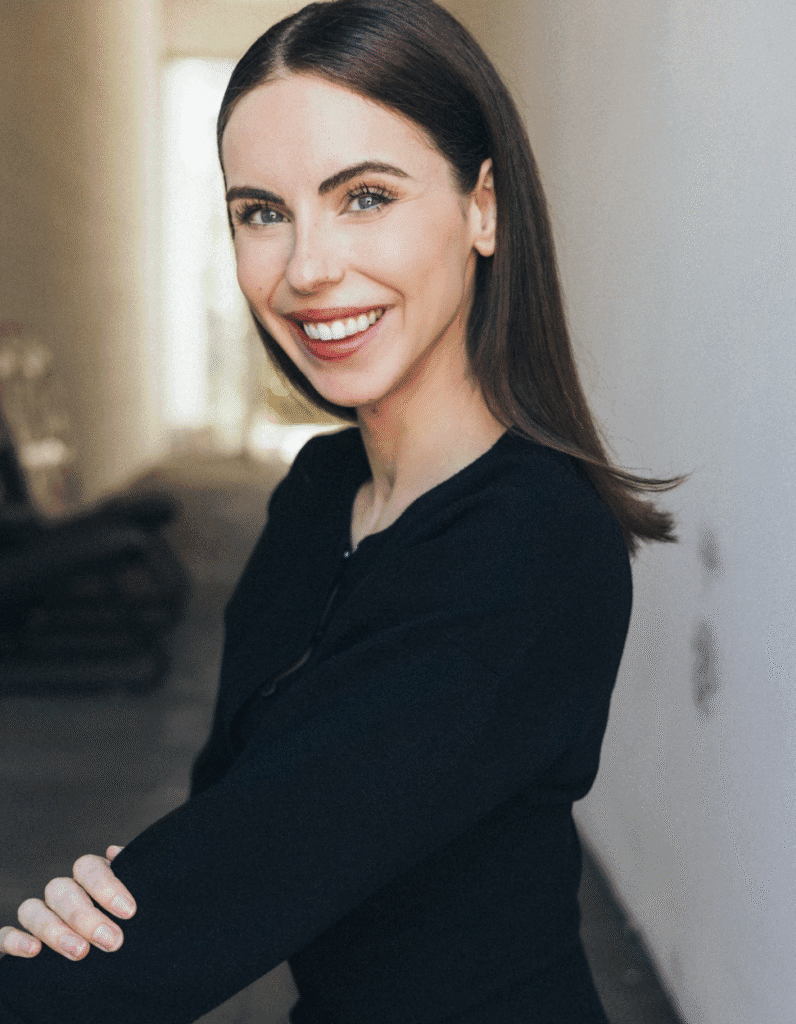
Brit MacRae, a Canadian-born actress and producer, brings a magnetic presence both on and off screen. With standout performances in Departure, Neon Lights, and Hudson & Rex, she’s known for portraying complex, emotionally rich characters. Her early training in classical voice and theatre laid the foundation for a career that blends artistic depth with entrepreneurial vision.
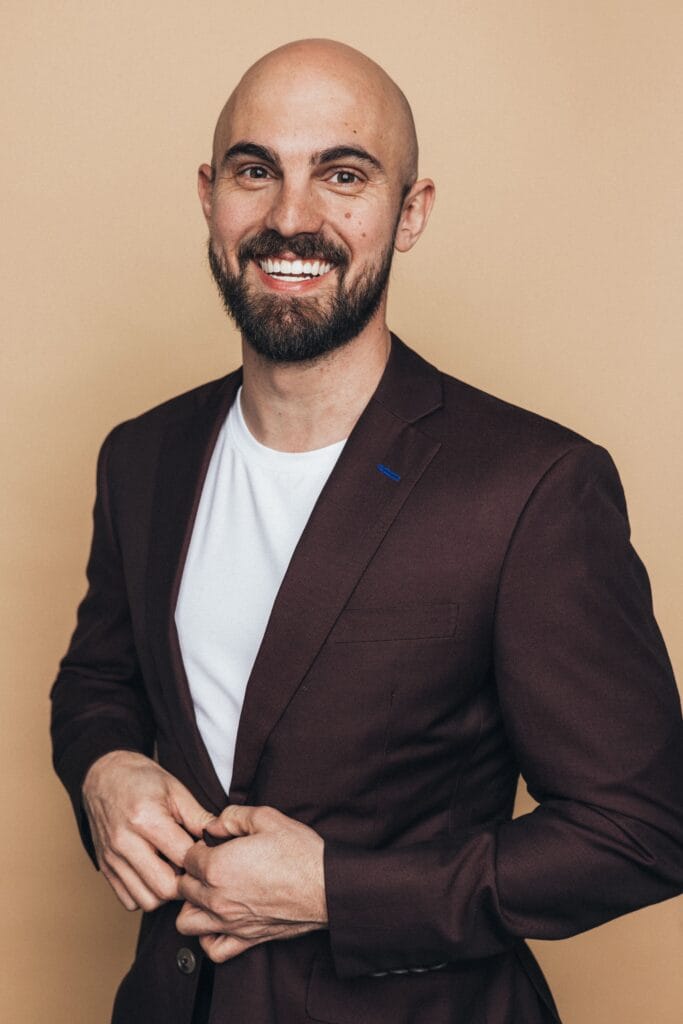
Daril Fannin, a former U.S. Army combat medic turned screenwriter and producer, infuses his work with raw authenticity and strategic insight. After earning an MFA in Screenwriting from Loyola Marymount University, he created Green Beret’s Guide to Surviving the Apocalypse and produced projects like MVP and #AMFAD: All My Friends Are Dead. His military discipline and creative drive make him a rare force in Hollywood.
Together, Brit and Daril are challenging the status quo with KINO Studio — a platform that leverages blockchain technology to protect artists’ rights and streamline distribution. Their mission? To build a future where creators own their work, audiences discover stories that matter, and the film industry finally catches up with the digital age.
Interview
Vjosa Çerkini: You’ve built such a versatile career in film and television. How did your journey into acting and producing begin?
Brit MacRae: „I just wanted to dance but my father made the supportive yet practical approach of going: if you’re going to be in the arts, there’s a lot more jobs for actors than dancers. Little did he know how hard it is to actually land one though. So I went from ballet shoes to moving out at 15 to go to a performing arts school, which led me to moving to the United States after college. Following the trail of going where the odds are best. I’ve gone to work on Netflix, Peacock, Amazon and more. That passion eventually led me to producing. Along the way, I saw how broken a lot of the systems were, especially for people trying to break in. That’s when I started getting interested in the tech side, how we can actually build tools that open doors instead of gatekeep them.“
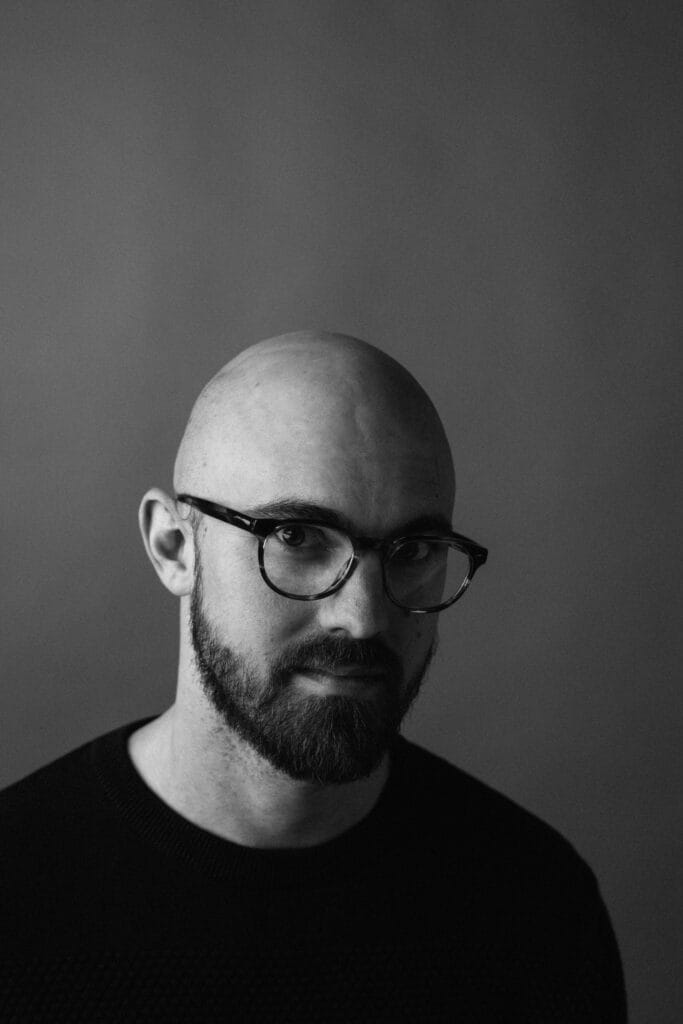
Daril Fannin: „My story’s a little more… nonlinear. I grew up in a cult where movies were banned, so in many ways, movies were my “forbidden fruit”. The first time I saw THE MATRIX, it was this totally life-changing, rebellious act that changed my life forever. And, after serving as a combat medic in the Army for almost a decade, I realized that I had my own stories to tell. So I took a leap of faith and moved to LA to go to film school. I sold a show to Netflix before I even graduated, which gave me this rare opportunity to enter the industry at such a high level. But I also saw firsthand how inefficient, exclusive, and inequitable the industry could be. Producing became a way for me to take stories into my own hands, and now, through KINO, I’m trying to build a better system, so that more stories have a better shot at being seen by global audiences.„
Vjosa Çerkini: Was there a particular moment or project that felt like a turning point for you?
Daril Fannin: „When I got out of the military, I didn’t have any connections to the industry. I was going to school full time, and spending about 20hrs each week outside of class working on my own projects. I linked up with this hilarious Green Beret (who was also a medic), and we started writing together… he was working in a celebrity gym, which was amazing. As military guys, we got to do a lot of wild things. For instance, on DEATH WISH, we trained the actors to shoot, move, and-communicate like soldiers, and I even got to shoot/direct the videos that Bruce Willis uses in the movie to learn how to use a gun. We did a lot of work for free and without credit, understanding that the education was the reward. But our real break-through came after Matt Damon had read a few of our scripts, one of which was GLUTES (a half-hour comedy about “a hollywood gym known for turning asses into stars”). He thought we were hilarious, but encouraged us to create something only we could do – something truly unique to our life experience. Which is how we came up with the anthology series “The Green Beret’s Guide to Surviving the Apocalypse”… the show we later sold to Netflix along with Peter Berg. Selling that show was a life-changing moment… and I’m forever grateful to Matt for believing in us.“
Vjosa Çerkini: What are some of the biggest challenges you’ve faced as a woman in this industry—and how have you navigated them?
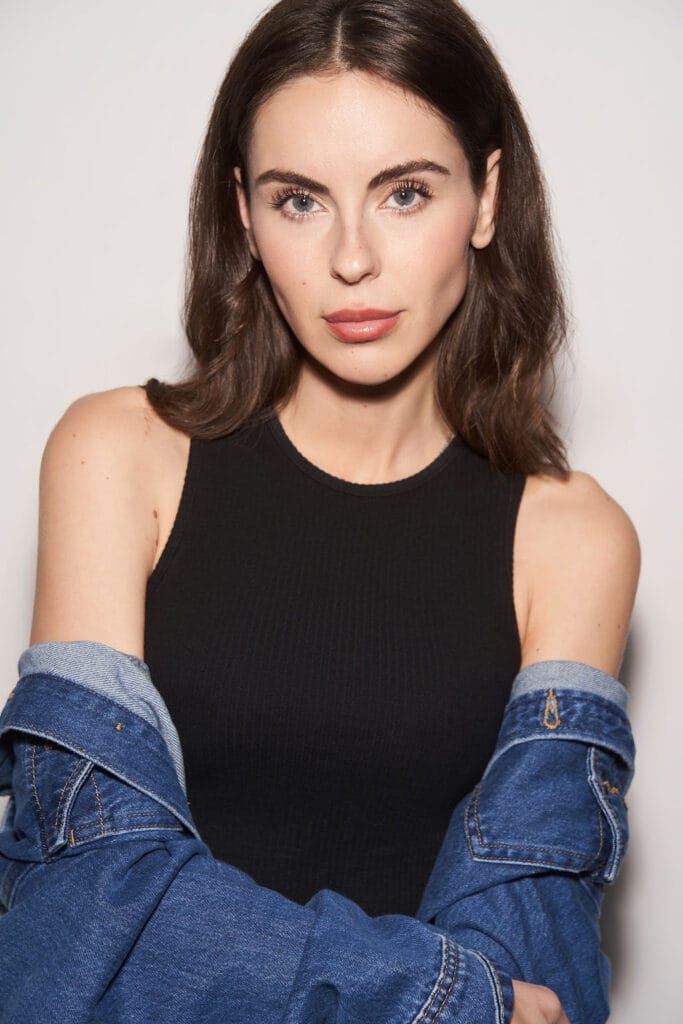
Brit MacRae: „One of the most complicated challenges has been navigating the invisible tightrope so many women in this industry walk, especially as an actor. There’s this constant pressure to look a certain way while also being taken seriously for your craft. You’re told to be confident, but not intimidating. Fun and approachable, but not someone who can be stepped on.
It’s a balance that doesn’t really exist. And early in my career, I tried to fit into those unspoken expectations. I’d soften my voice in meetings, or downplay my opinions on set to keep things easy. But I realized that if I kept contorting myself to make everyone else comfortable, I’d lose the very thing that made me worth listening to in the first place.
What’s helped me navigate all of it is finding, and fiercely protecting, my creative voice. Knowing what I bring to the table. And surrounding myself with collaborators who respect the full scope of what I do, both in front of the camera and behind it. I want to help build a space where other women don’t have to ask permission to lead, create, or take up space.“
Vjosa Çerkini: What inspired you to create KINO Studio, and what does it mean to you personally?
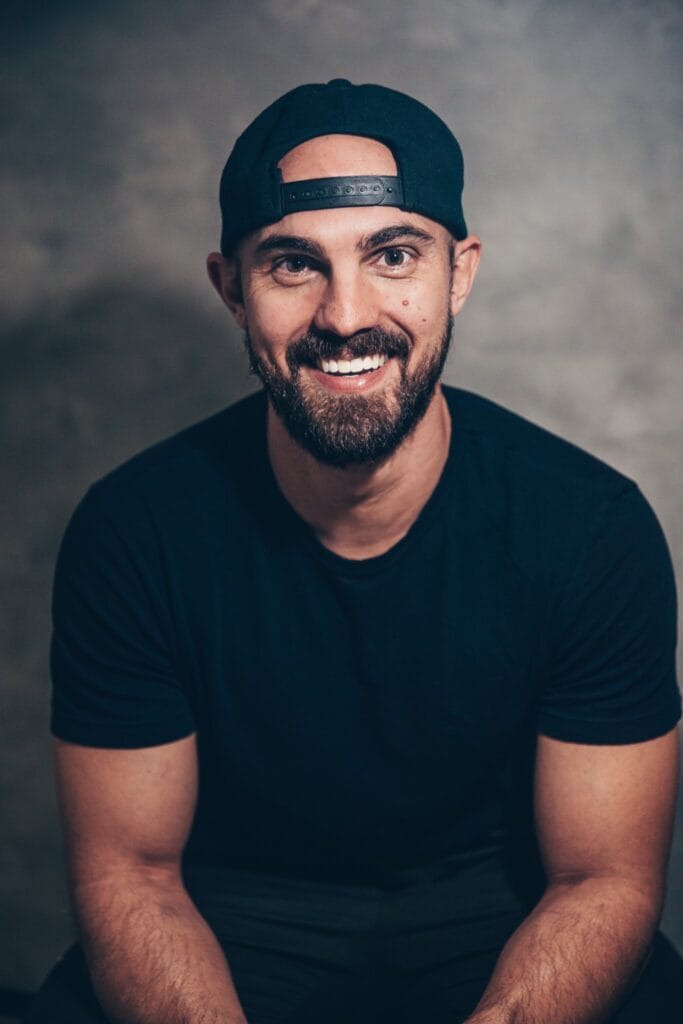
Daril Fannin: „We didn’t set out to start a company. We set out to solve a problem. The post to distribution pipeline in film and tv is broken, insecure, and expensive. Tens of billions of dollars are lost or wasted each year, while so many of those in the industry are struggling to put food on the table. At KINO, we believe that technology can solve these problems.
KINO was born from the belief that we could do more than just work within the system, we could help reshape it. By creating a more sustainable, efficient and equitable system, we can bring new voices, new workflows, and new ideas to the table. Our secure, interactive streaming platform helps bring your film from production to distribution, with tools that protect your art and your IP along the way.
KINO empowers you to collaborate with creatives freely, without fear of your film being pirated or stolen. With our interactive product, ScreenKey, you can send your film to collaborators for review and feedback, or securely share it with distributors and agents without the risk of a leak. And, if you’re a filmmaker who’s already on a tight budget, we even have a free tier that you gives you insights and analytics at ZERO COST. We’re building technology to empower filmmakers… that’s the purpose of KINO.„
Vjosa Çerkini: Why is it important for you to amplify emerging and underrepresented voices through your platform?
Brit MacRae: „Because we don’t need another Superman. Seriously, how many times are we going to remake the same stories with the same perspectives and expect audiences to stay engaged? The future of this industry depends on originality. On risk. On voices we haven’t heard a thousand times before.
And the truth is that most original stories aren’t hiding. They’re just locked out. Too many talented creators are shut out of opportunities because they don’t have the right connections, can’t afford the submission fees, or don’t fit the mold of what’s marketable at the moment.
We’re building tools that we are currently giving away for free for indie filmmakers as a way to help level the playing field. They are able to use our platform to pitch, promote, edit and protect their projects. Because when you let more people in, the whole ecosystem gets better. The stories are fresher, the audiences are more engaged, and the culture reflects more of who we really are.„
Vjosa Çerkini: Are there any specific projects through KINO that have left a lasting impression on you?
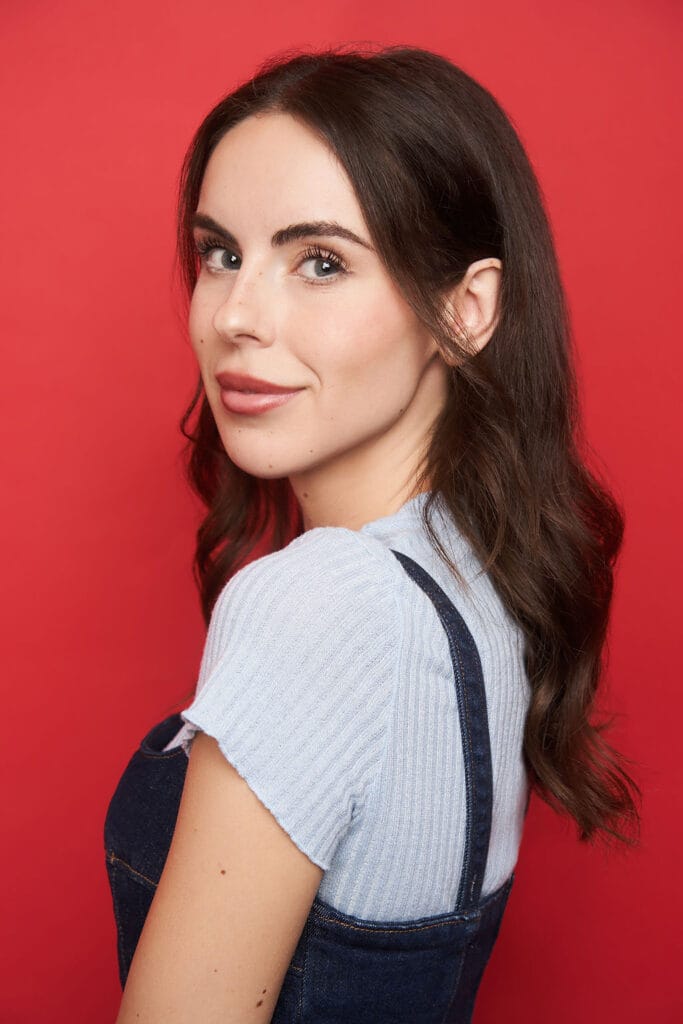
Brit MacRae: „Two projects stand out one for how it surprised everyone, and one for how deeply it moved us. For me it’s: The Undertone. A genre film we produced earlier this year that just took home an award at the infamous Fantasia Film Festival. On paper, it shouldn’t have worked…one actress, one location, and a story that lives or dies in tension alone. Most investors would’ve seen it as too risky. But the director, Ian Tuason, had such a clear and compelling vision that we couldn’t ignore. We put our money where our mouth is, backed him and it paid off tenfold. That film reminded us why it’s so important to trust bold storytellers, even when the formula says no.„
Daril Fannin: On the other end of the spectrum was when we hosted the live premiere of Courage Rising, a documentary about burn survivors climbing Mount Kilimanjaro. We knew it was essential to ensure the right voices told this story, so we brought in Jay Leno, himself a burn survivor, to interview the cast at our live premiere. Watching those survivors share their stories with him, and witnessing the audience’s emotional response, was one of the most powerful moments we’ve had at KINO. We were honored to help bring that story to life. Both projects are a reminder of what happens when you bet on heart and vision over formula.
Vjosa Çerkini: How does it feel to support young women entering the film industry as a mentor and producer?
Brit MacRae: It may not seem like it but film is an apprenticeship industry. Someone taking the time to answer your questions, open a door, or just say, “You’ve got this.” I’ve been lucky to have people do that for me, and I feel a real responsibility to pay that forward.
Whether it’s a coffee, a quick call, or helping someone prep for a pitch, I always try to make time. Not because I have all the answers, but because I know how much it meant when someone did the same for me.
I am also deeply involved in Big Brothers Big Sisters of Greater Los Angeles which is a youth empowerment organization whose mission is to create and support one-to-one mentoring relationships that ignite the power and promise of youth.
If we want to see more women thrive in this industry, we have to be intentional about creating space, sharing knowledge, and lifting each other up. That’s the only way the system changes. Especially when historically, we have been pitted against each other.
Vjosa Çerkini: With so many roles—actor, producer, mentor—how do you stay grounded and connected to your creative purpose?
Daril Fannin: Brit actually said it best in a LinkedIn post not long ago, this idea that we no longer have to pick just one identity. Nor should you. That being an actor, a producer, a founder, a mentor, they can all coexist, and even strengthen each other. After all, much of this is just different aspects of storytelling.
I’ve lived a life in chapters: cult member, combat medic, screenwriter, startup founder… Each one taught me something different. Framing. Discipline. Empathy. Strategy. Story. That mixture keeps me grounded and perspective.
We’re seeing this huge shift in Hollywood. Jessica Alba makes more money from building a business than most A-list actors make from films, Scarlett Johansson (Highest Paid Actor) included. That’s not a fluke. It’s a blueprint. Artists today are becoming architects of their own careers. Owning their IP. Starting companies. Diversifying where their power comes from. Having control over when they work, what they work on and how the final product looks. In order to have longevity, you can’t just be one thing.
So how do I stay connected to my purpose? I remind myself that creativity doesn’t have to be confined to a script. It can live in a product, a pitch, a company. That’s the kind of storytelling I want to be part of, one that builds new, better systems for everyone.
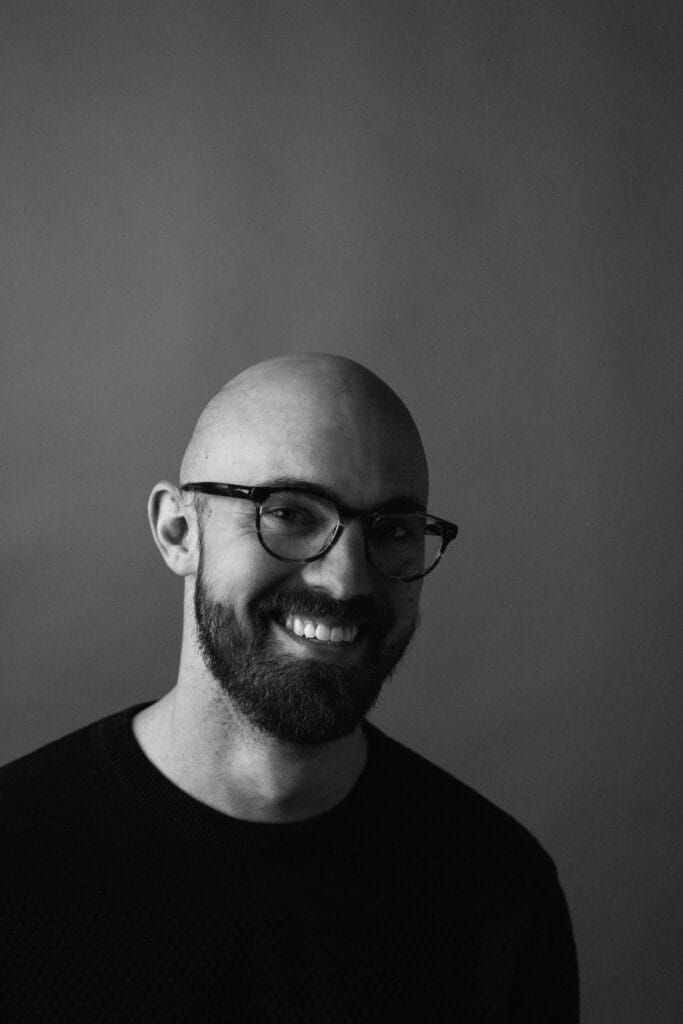
Vjosa Çerkini: Where do you envision KINO Studio in the next 3–5 years? Do you have a dream project?
Daril Fannin: „In 3–5 years, I see KINO as an end-to-end tech solution that improves the ecosystem for filmmakers, studios, and fans alike. For filmmakers and studios, we’re focusing on improving the broken and fragmented production-to-premiere pipeline. During production, our tech enables executives to securely watch dailies from the comfort of their own living room. During post, we let creators and producers give encrypted, time-stamped feedback in the way they find most convenient. We even have a mode that lets you leave voicenotes that can be auto transcribed! During the market testing phase, we help filmmakers gain real-time insights from global audiences, and during the sales process, filmmakers and producers can review insights (who watched, when, for how long) while sending out secure screener links to agents and distributors. And at the distribution phase, studios and streamers can utilize our technology to create LIVE premieres that let fans engage directly with the cast and crew, ask questions, leave comments, play trivia, and create online fan communities that take streaming from a passive to interactive experience.
Ultimately, we’re building something self-sustaining: a platform that protects creators and engages fans, a studio that champions them, and a model that proves you don’t have to choose between art and infrastructure. You can build both. And when you do, the entire industry moves forward.„
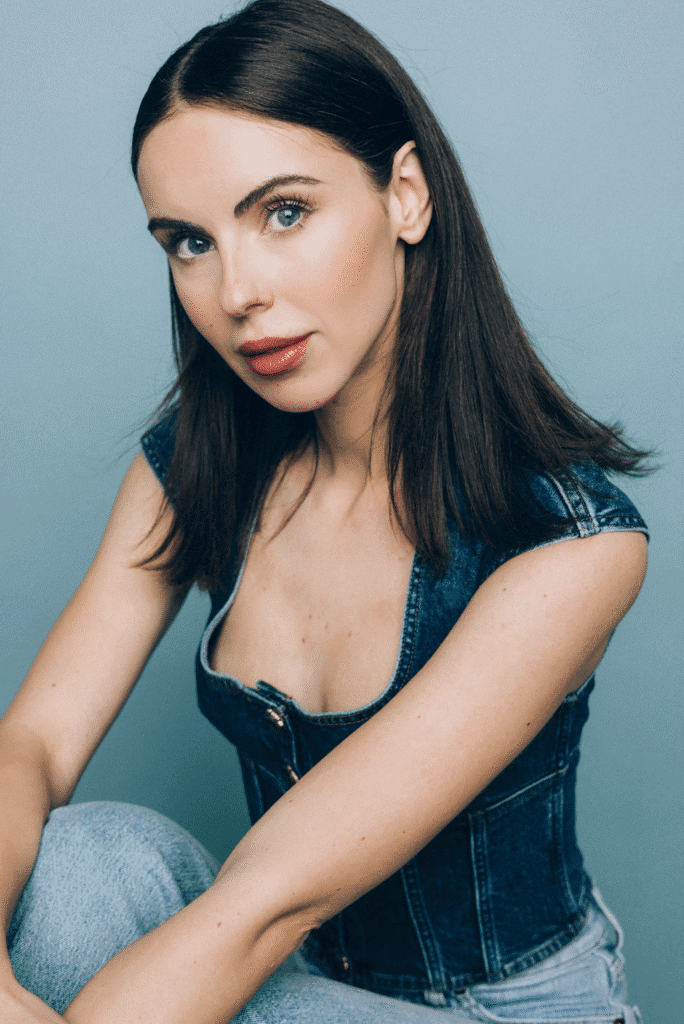
Vjosa Çerkini: What message would you share with young women creatives from marginalized communities who want to tell their own stories?
Brit MacRae: „First, I want to acknowledge that I speak from a place of privilege. I had parents who supported my choice to pursue the arts. I didn’t have to fight the same battles many others do just to have their voices heard, and I would never pretend to fully understand those experiences.
But what I can do and what I’ve committed to doing is using whatever platform I have to help open doors for others. That’s why we started KINO. We’re building tools that aren’t just for the few who’ve already made it, but for the ones still coming up, especially those whose stories haven’t been centered enough in this industry.
Last year, we launched a short film competition and gave $25,000 to an emerging filmmaker, no strings attached. And we’ll keep doing things like that, not just as a gesture, but as a strategy.
If you’re someone trying to tell your story and you don’t know where to start, please know that my DMs are open. I may not have all the answers, but I will always share what I know, connect you where I can, and support you however I’m able. You deserve to be here. And your voice matters. Sometimes the system forgets that. But I won’t.„
NOTE: Please find KINO Studio official website here.
Daj svoj stav!
Još nema komentara. Napiši prvi.