
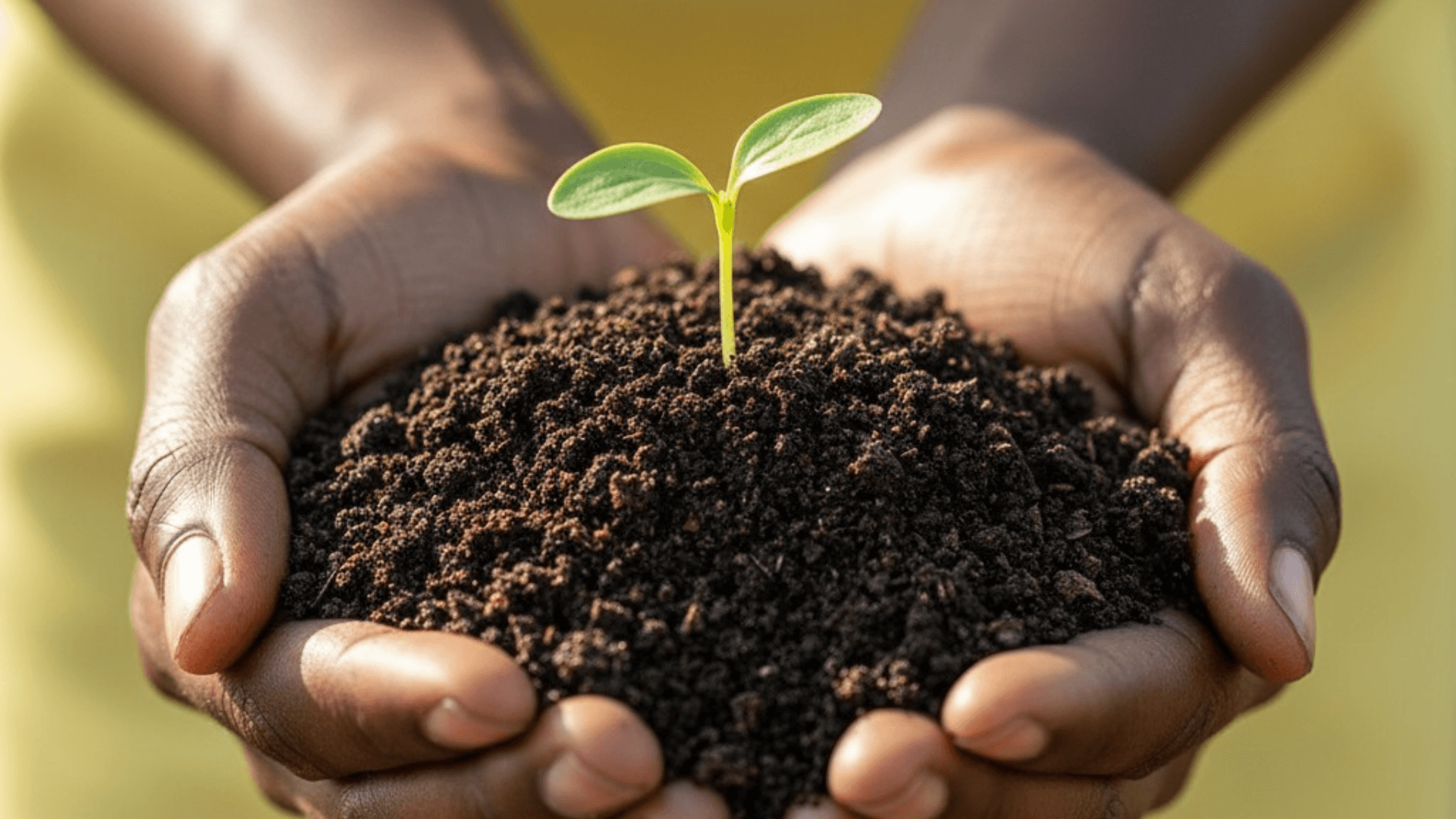

Excluded from talks, women lead grassroots efforts for lasting peace and trust
By Brian Ochieng Akoko, Reporter | Nakuru City – Kenya.
Peace negotiations in Africa frequently follow a predictable script. High-level officials, military generals, and male political figures gather at a neutral location. They sign comprehensive agreements.
These moments generate powerful headlines. They are viewed as the official end of conflict. Yet, true, lasting peace is not signed at a table. It is woven back into the fabric of daily life.
This meticulous, difficult work happens at the grassroots level. It is led, overwhelmingly, by women. Women are the primary custodians of family and community structures.
When conflict shatters a society, they are the ones who pick up the pieces. They lead reconciliation efforts that address the deep-seated trauma and mistrust between rival groups.
They facilitate the return of displaced persons. They rebuild health and education systems. They restore the social economy. This work is often silent. It is frequently excluded from official reports and history books.
But it is the most critical factor in determining whether a negotiated peace survives. These are the Silent Weavers of Peace. They are the essential engineers of post-conflict stability.
The Exclusion from the Negotiation Table
The exclusion of women from high-level peace negotiations is a persistent failure of the international system. It is a failure to recognize where the real work of peace is done.
When women are excluded, the resulting peace agreements often fail to address key social issues. These issues include sexual violence, access to resources, and the reintegration of ex-combatants into communities.
These are the very issues that often fuel the next conflict. Women’s organizations argue forcefully that their presence at the table ensures that the agreement is implementable on the ground.
They bring a unique perspective. It is a perspective focused on social welfare, long-term stability, and community healing. Despite this exclusion, women do not wait for an invitation.
They create their own parallel peace tracks. These tracks involve inter-ethnic dialogue groups. They facilitate meetings between women from previously warring factions.
They start with common ground: the need to feed their children, access clean water, and ensure the safety of their families. This shared humanity becomes the foundation for dialogue. It helps overcome political and ethnic hatreds.
Restoring the Social Fabric
Conflict tears apart the social fabric of a community. It destroys trust. Women-led peace initiatives focus on rebuilding this fabric stitch by stitch. They organize community healing ceremonies.
These are spaces where victims and, in some cases, perpetrators can speak and find closure. These ceremonies are vital for dealing with the massive trauma left by years of war.
They are a necessary precursor to coexistence. They also lead efforts to safely reintegrate ex-combatants. This is a difficult and essential process. A former soldier, often a young man, must be accepted back into the community. He needs a path to a productive life.
Women’s groups often provide this pathway. They organize vocational training and small-scale business grants. This helps the ex-combatant move from a life of violence to a life of stability. It prevents recidivism.
They also play a critical role in addressing land disputes. These are often the root cause of local conflict. They mediate between families and clans.
They use their social authority to find equitable, community-based resolutions. Their local legitimacy is often far greater than that of distant government officials. This makes their mediation highly effective.
Economic Empowerment as Peace Dividend

The economic dimension of women’s peacebuilding is crucial. Economic stability is a peace dividend. Women often form cross-community savings and lending groups (chamas or similar structures).
These groups bring together women from rival ethnic or political backgrounds. They are united by a shared economic purpose. When women from two rival communities rely on the same savings group to finance their businesses, it creates an economic bond.
This bond is a powerful incentive for peace. It ensures that conflict would destroy their shared financial future. They are investing in a future where cooperation yields profit. This economic empowerment also changes household dynamics.
It gives women greater control over resources. This increases the stability of the family unit. It reduces the stress and uncertainty that often leads to social breakdown. The work of the Silent Weavers is a powerful reminder.
Peace is not merely the absence of war. Peace is the presence of justice, opportunity, and a strong, functioning social structure. Their quiet, persistent efforts are the true measure of Africa’s resilience in the face of conflict.

Daj svoj stav!
Još nema komentara. Napiši prvi.