
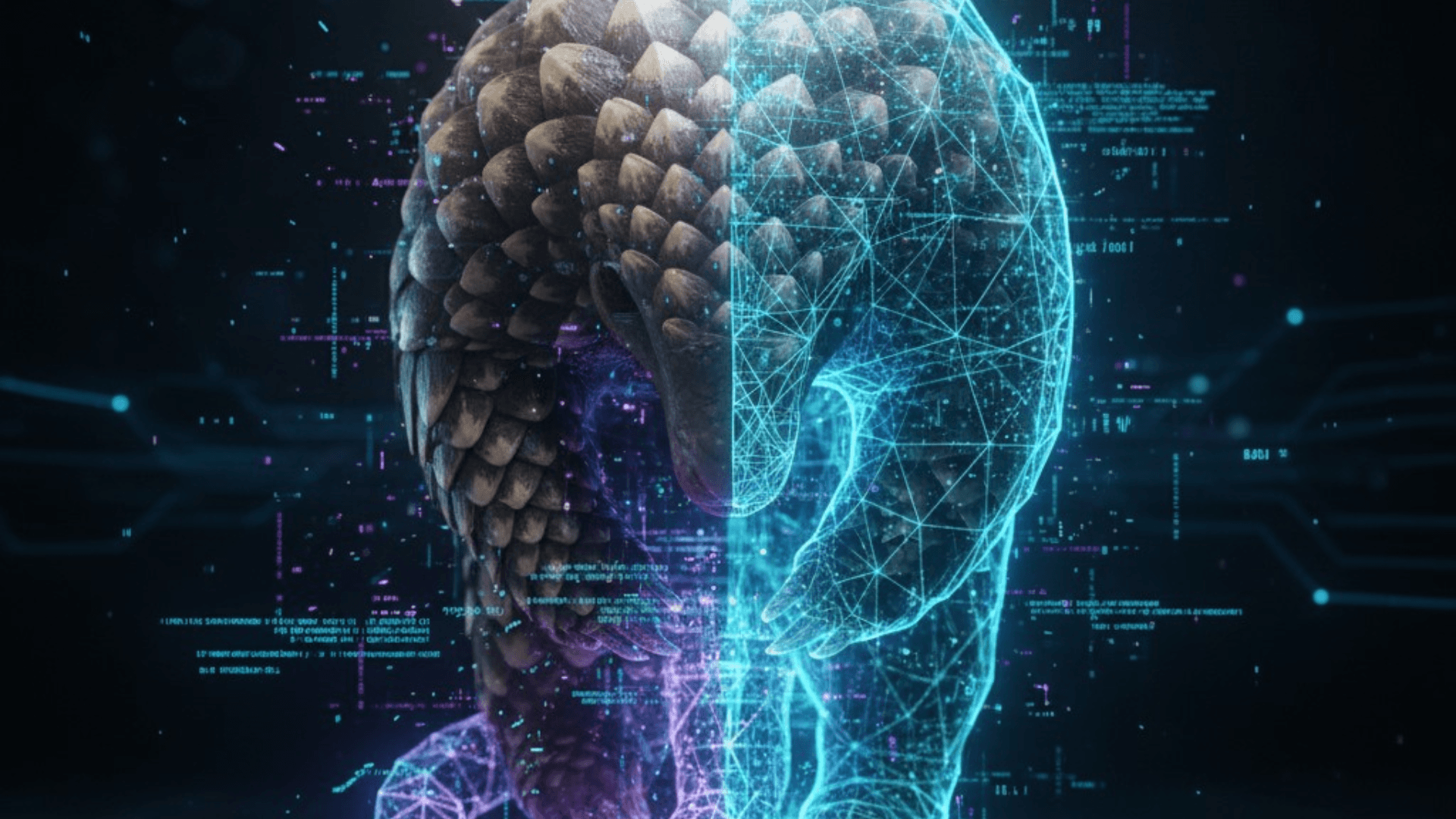

AI Campaigns for Threatened Ecosystems
By Brian Ochieng Akoko, Reporter | Nakuru City, Kenya.
Conservation in Africa has long relied on traditional imagery. It depends on stunning, yet expensive, wildlife photography. Today, a new wave of storytelling is emerging. It is faster, more accessible, and globally infectious.
This shift is powered by artificial intelligence. Specifically, AI Art Prompting and digital creation tools. African artists and activists are rapidly embracing this technology. They are using it to bypass conventional barriers.
They are creating visually compelling narratives about endangered species and ecosystem success stories. The goal is to move the conversation beyond charity appeals. They aim to engage a global audience with powerful, artistic content.
This is the Digital Wild. It is where technology and conservation intersect. It is a movement that is redefining how the world sees and supports Africa’s natural heritage. The ability to generate a thousand images in minutes is revolutionary.
It gives local advocates a powerful new voice. It allows them to visualize threats like poaching and deforestation in startling new ways. It also lets them celebrate success with vibrant, hopeful imagery that breaks through media fatigue.
The Power of Visualizing the Invisible
One of the biggest challenges in conservation is visualizing abstract concepts. How do you show the impact of climate change on a rare bird species? How do you illustrate the success of a hidden reforestation project?
AI Art provides a powerful solution. It allows artists to turn complex data into accessible visual metaphors. For example, an AI prompt might be used to generate an image of „A Malawian lake ecosystem in 2050, showing the effect of plastic pollution.“
The resulting visual is hyper-realistic. It is emotionally arresting. It communicates the urgency far faster than a scientific report. Activists are using these tools to document positive change, too. They are generating images of thriving, regenerated landscapes.
They are showing the future they are fighting for. This visualization capability is key. It helps secure funding and community buy-in. When people can vividly see the consequences of inaction, or the rewards of success, they are more likely to act.
This is about democratizing the visual narrative. It puts the power of high-end image creation into the hands of grassroots movements. It ensures that African conservation stories are told with African artistic flair and perspective.
Ethical Art and Authentic Storytelling

The use of AI in art carries ethical considerations. This is recognized by the African digital art community. There is a commitment to using AI responsibly. The art must enhance, not replace, authentic human stories.
AI-generated images are not presented as photographs of real events. They are labelled clearly as artistic visualizations. The most effective campaigns pair the AI art with real-world data and human interest stories.
An AI image of a majestic, future-proof rhino is paired with the story of the ranger protecting it today. This maintains a crucial link to reality. It ensures that the technology serves the mission, not the other way around.
The technology is also being used to preserve cultural stories. Stories about the environment that have been passed down for generations. AI tools can visualize these ancient myths.
They can bring them to life in digital form for a new generation. This fusion of culture, conservation, and technology is creating a rich, unique aesthetic. It is an aesthetic that is uniquely African.
It is both forward-looking and deeply rooted in tradition. It combats the often-prevalent „savior complex“ narrative. It centers African ingenuity and leadership.
The Role of Technology in Data Interpretation
The impact of AI goes beyond just the visual art. It is also transforming data collection and interpretation. AI models are being trained on vast amounts of satellite and drone imagery.
These models can detect illegal mining sites. They can track changes in vegetation density. They can monitor the movement of vulnerable wildlife herds. This technical data, often complex, can then be fed back into the artistic prompting tools.
This creates a feedback loop. It links hard scientific data to powerful visual communication. For instance, an AI analysis might show a 10% decrease in a protected area’s tree cover.
This data is then used to prompt an artist to create a visual that illustrates this loss. It shows the devastating effect on local wildlife. This scientific grounding gives the art immense credibility.
It ensures that the emotional appeal is backed by facts. The Conservation Leadership Programme (CLP) candidates, as mentioned in previous reports, are being trained in this duality.
They are learning ecological science and digital communication skills. They are becoming conservation polymaths. They understand that in the 21st century, the fight for conservation is also a fight for attention.
Global Reach and Local Impact
Digital storytelling gives African conservation projects a global megaphone. A small, local project in a remote Ethiopian conservancy can instantly reach millions worldwide. This global exposure attracts new forms of funding.
It brings in micro-donations and strategic partnerships. The campaigns are moving beyond just fundraising. They are generating policy change and consumer awareness.
For example, a series of AI-generated visuals highlighting the environmental damage of a specific imported product. This can trigger consumer boycotts. This is soft power wielded through technology.
It is a powerful tool for advocacy. The technology is also fostering collaboration across the continent. Digital artists in Nigeria can easily collaborate with conservationists in South Africa.
They can share visual assets and campaign strategies. This pan-African digital network strengthens the overall conservation movement. It allows for rapid response to emerging threats. The digital canvas is endless.
It allows for creative exploration of diverse conservation themes. From the protection of the largest community conservation areas to the smallest insect species, every story can be told. The future of African conservation storytelling is digital.
It is innovative. It is being led by a new generation of African tech-savvy advocates. They are painting a picture of hope and action. They are using the power of technology to save the natural world.
Daj svoj stav!
Još nema komentara. Napiši prvi.