
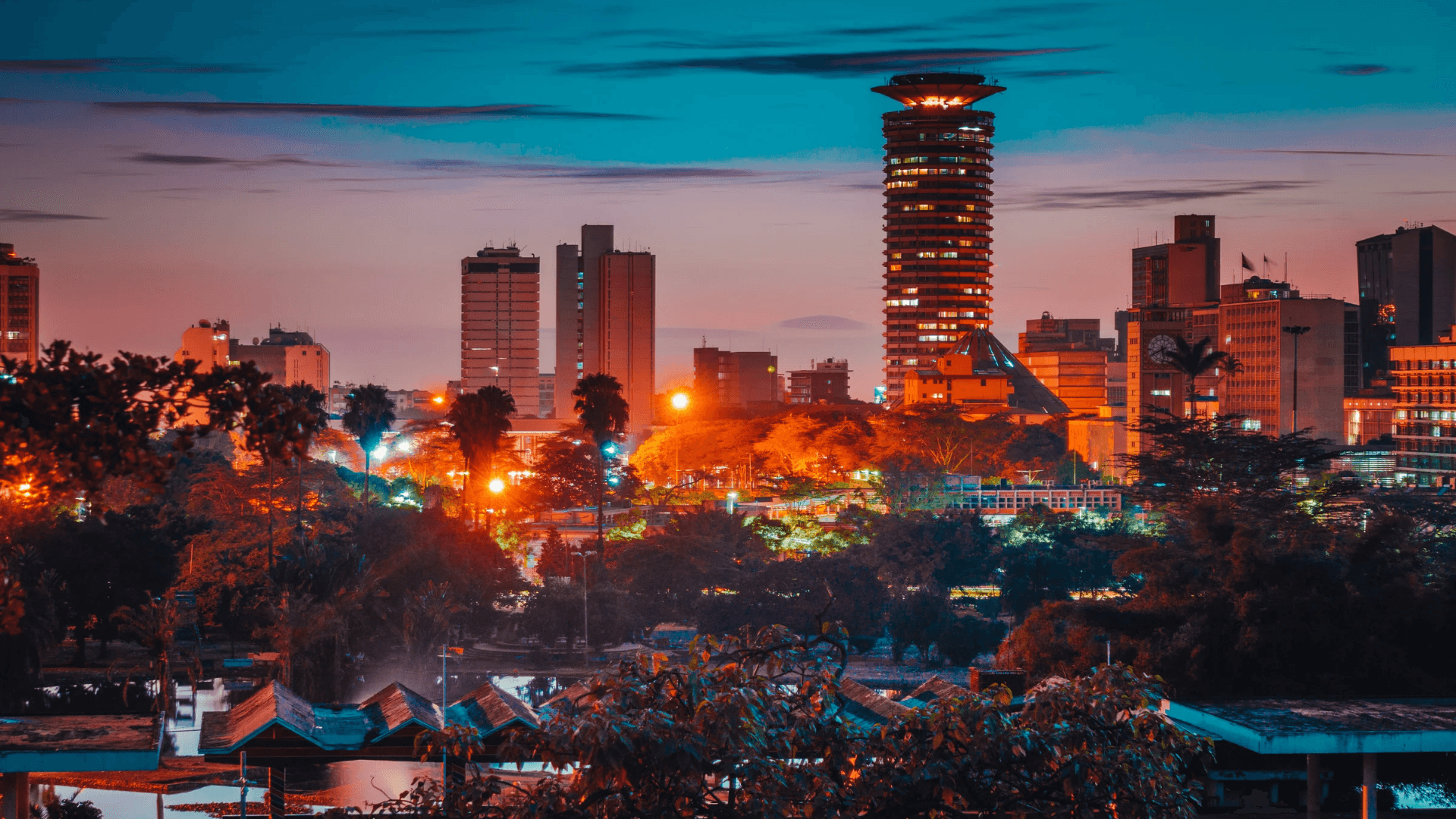

By Brian Ochieng Akoko, Reporter | Nakuru City – Kenya.
Kenya is a nation of incredible cultural diversity. This diversity comes from centuries of migrations and traditions. The country is home to 42 distinct tribes, each with its own oral traditions.
This rich heritage is a living part of Kenyan identity. However, as the world becomes more globalized, Kenya is at a crossroads. It must balance preserving its traditions with embracing modernity.
Pre-Colonial Life
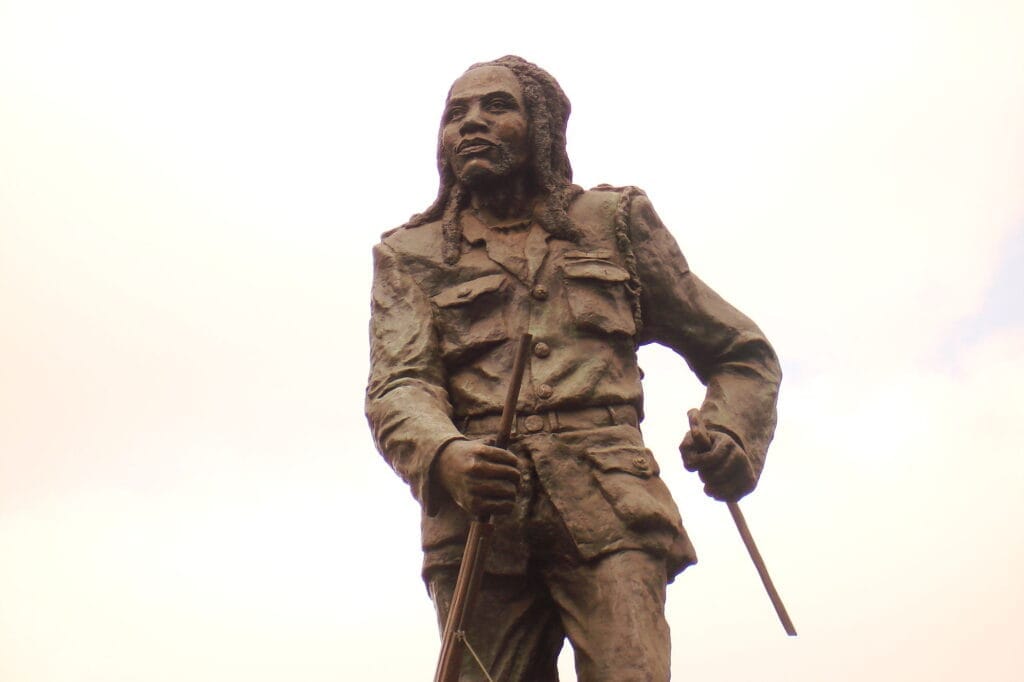
Before colonial rule, Kenya was a land of cultural exchange. The earliest inhabitants were hunter-gatherers. Around 2000 BC, Cushitic peoples from Northeast Africa arrived. They introduced pastoralism.
By the 1st Century AD, the Kenyan coast was a hub for Arab traders. Their presence led to the unique Swahili culture, a mix of African and Arab influences.
In the first millennium, Nilotic and Bantu peoples also moved into the interior. The Bantu brought iron forging and farming techniques.Traditional economies were linked to the environment.
The Maasai were pastoralists, and their wealth was tied to cattle. The Agikuyu were farmers in the highlands. The Luo were fishermen and farmers around Lake Victoria.
Social life was based on kinship systems. These systems dictated the ownership of land and livestock.Inter-ethnic relations were fluid.
There was trade, intermarriage, and some conflict. For example, the Agikuyu and Maasai often raided each other’s cattle, but they also traded and intermarried. This shows the complex mix of conflict and cooperation that existed.
The Impact of Colonialism
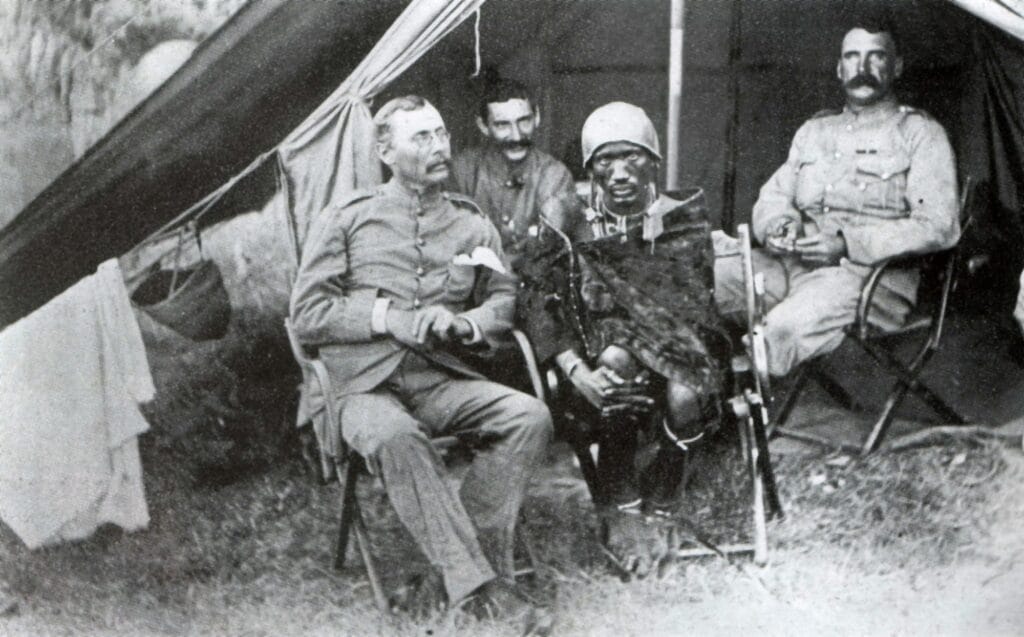
British rule began in the late 19th century. In 1895, the British declared the East Africa Protectorate. It became the Kenya Colony in 1920.
The British took fertile highlands for white settlers. They introduced harsh economic policies. These included taxes and forced labor. They also created native reservations on often-infertile land. This system subordinated African farming to the European economy.
The British created a racial hierarchy that dismantled indigenous institutions.Western education, controlled by Christian missions, focused on Western values. This often came at the expense of local heritage.
The emphasis on English led to the decline of indigenous languages. Christian missionaries also tried to replace African cultures. This led to syncretism, where traditional beliefs blended with Christian practices.
Colonial boundaries divided communities like the Maasai, Luo, and Somali. This created „negative ethnicity,“ where communities competed for limited resources. It worsened inter-ethnic tensions.
However, these policies also forced diverse groups together under one administration. This led to shared experiences of subjugation and resistance, like the Mau Mau Uprising.
Post-Independence Identity

The mid-20th century saw a fight for self-determination. The Mau Mau Uprising was a major armed resistance. It took place from 1952 to 1959.
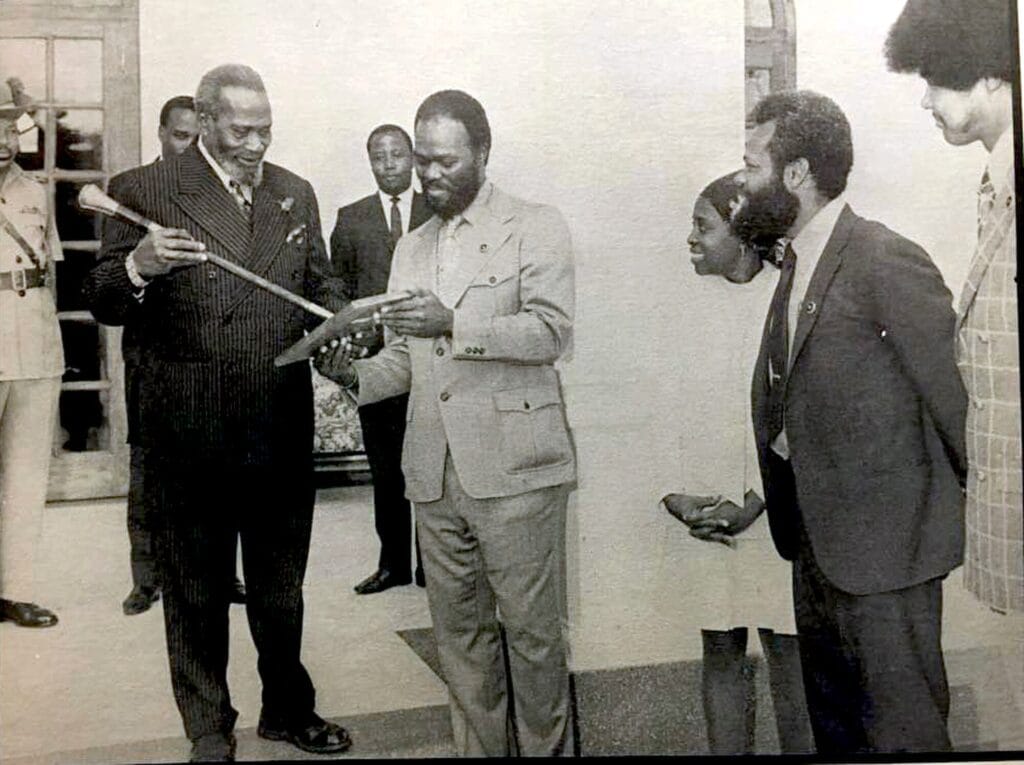
Jomo Kenyatta led the independence movement. Kenya gained independence on December 12, 1963.After independence, the country worked to unite its diverse tribes.
The motto „Harambee“, meaning „pulling together as a community,“ was adopted.Swahili became the national and an official language.
It bridged communication gaps and helped build a national identity. Its evolution from a mix of Bantu and Arabic reflects Kenya’s history as a cultural crossroads.
Tribal Case Studies
Kenya’s major ethnic groups are navigating globalization in unique ways.
The Maasai:
They make up about 2% of Kenya’s population. They are known for their nomadic pastoralist life. Despite pressures, they have resisted widespread modernization.
UNESCO has recognized their male rites of passage as intangible cultural heritage.
The Agikuyu:
As Kenya’s largest ethnic group, they numbered 8.14 million in the 2019 census. They are primarily agriculturalists.
They have embraced modern life, but elements of their traditions remain. Practices like female circumcision are in conflict with human rights.
The Luo:
They are the fourth-largest group, with 5.06 million people. They are from western Kenya.
Their culture includes strong kinship ties and traditional music. UNESCO has recognized rituals at the Kit Mikayi shrine as cultural heritage.
The Luhya:
They are the second-largest group, with 6.82 million people. They live in western Kenya and are known for their farming. Their traditional ceremonies and music are still important.
The Somali:
The Somali community is mostly pastoralists in the north. They are predominantly Sunni Muslims. Their culture is rich in poetry and storytelling. Colonial borders divided their community, leading to historical conflicts.
Challenges and the Path Forward
The persistence of traditional structures, like clans and age sets, shows the resilience of Kenyan cultures. However, this can clash with modern governance and individual rights.
Practices like female circumcision or „beading“ directly conflict with national laws and human rights. The colonial legacy still affects politics. Ethnic affiliation often influences political choices. This can lead to conflicts, especially during elections.
However, there are signs of change. The 2022 elections saw some communities defy traditional voting patterns. The Gen Z-led protests in 2024 showed remarkable cross-ethnic unity among young Kenyans.
This challenges established political norms and suggests a potential for a more cohesive national identity.
A Future Forged in Diversity
Kenya’s future lies in its ability to blend its past with its present. Its rich cultural heritage can be a source of strength for tourism and cultural diplomacy.
The story of Kenya is one of continuous adaptation and resilience. Its national identity, despite its complexities, holds great potential.
It can foster mutual respect and cross-cultural understanding in a globalized world. The choices made today will shape a nation that honors its past while embracing its future.
Related Topic

Daj svoj stav!
Argumentuj, budi korektan — ili pročitaj tuđe stavove.